
Towa and the Guardians of the Sacred Tree: A Critical Review of Its Enduring Struggle Against Hades’s Shadow






Popular Now
 Poppy Playtime
 Geometry Dash
 Genshin Impact
 Grand Theft Auto VI
 EA SPORT FC 25
 R.E.P.O
 Roblox
 Minecraft: Chase the Skies
 Among Us
 Stumble Guys
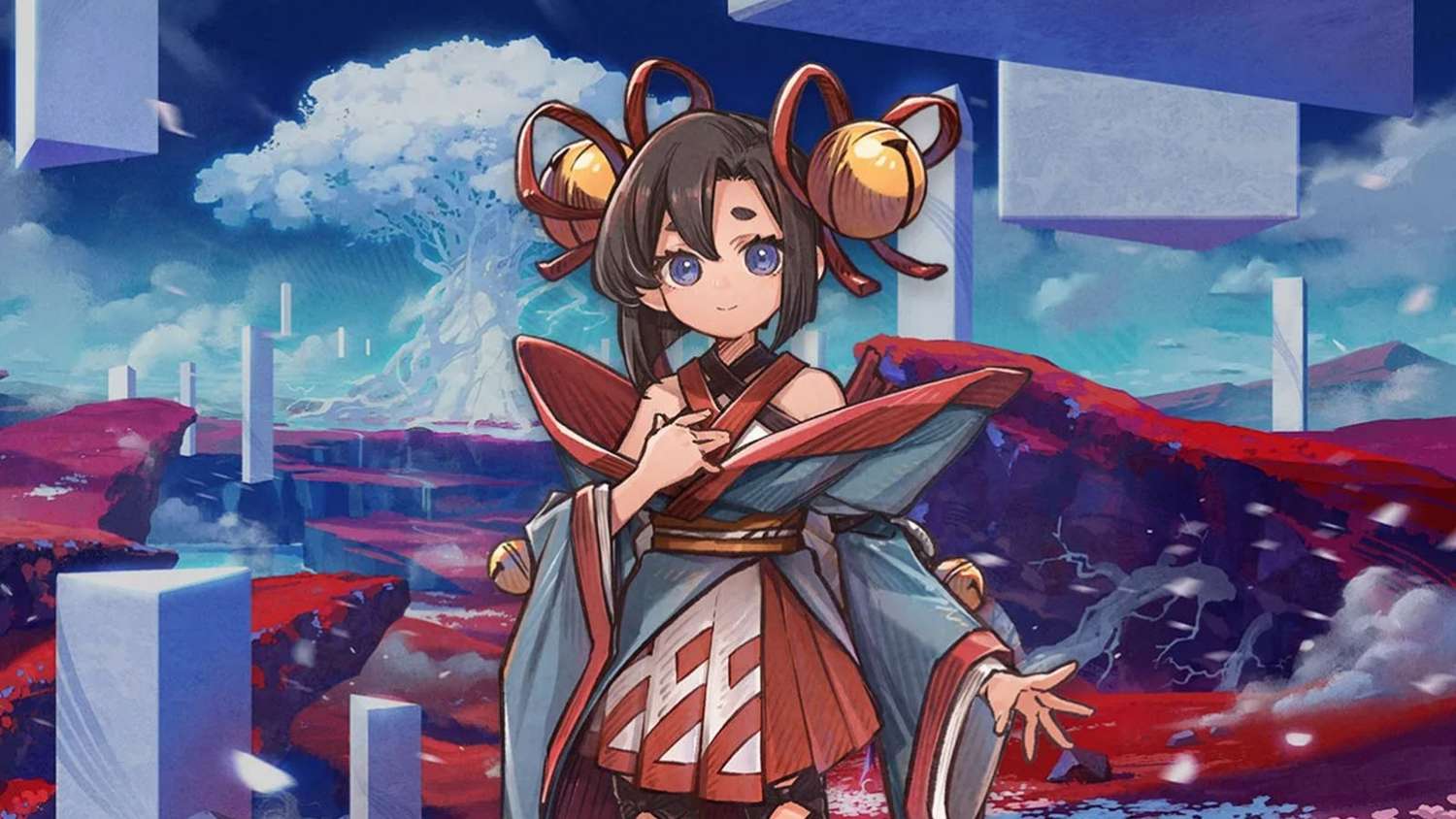
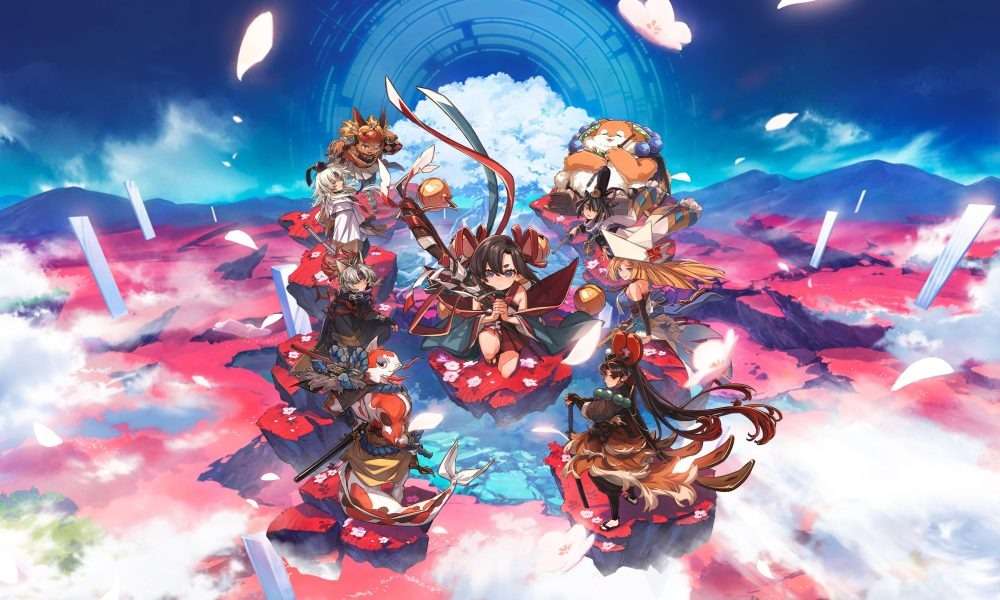 Towa and the Guardians of the Sacred Tree emerged onto the gaming landscape with a promise: a sprawling action RPG that would weave a rich narrative of ancient myths, environmental stewardship, and the eternal struggle between light and encroaching darkness. Pitched as a breathtaking open-world experience, the game captivated audiences with its initial trailers, showcasing stunning visuals, intricate character designs, and a unique combat system. Yet, despite its ambitious scope and a dedicated development team, the title has found itself consistently battling a metaphorical ‘Hades’s shadow’ – a persistent undercurrent of critical reception that points to unfulfilled potential and design choices that often impede rather than enhance the player’s journey. This review delves into why, despite its undeniable strengths, Towa and the Guardians of the Sacred Tree struggles to escape the looming specter of its own shortcomings, impacting its standing as a definitive fantasy epic.
Ambitious Vision Meets Tangled Execution: The Core Gameplay Loop
At its heart, Towa and the Guardians of the Sacred Tree attempts to deliver a dynamic and reactive gameplay experience. Players take on the role of Towa, one of the last remaining Guardians, tasked with safeguarding the world’s dwindling sacred trees from a corrupting blight. The exploration mechanics are initially compelling, offering vast, diverse biomes ranging from sun-drenched forests to haunting, desolate plains. However, the open-world design, while visually appealing, often feels more expansive than dense. Repetitive side quests and a somewhat disjointed fast-travel system can transform epic journeys into tedious treks, detracting from the sense of urgent stewardship the narrative tries to convey.
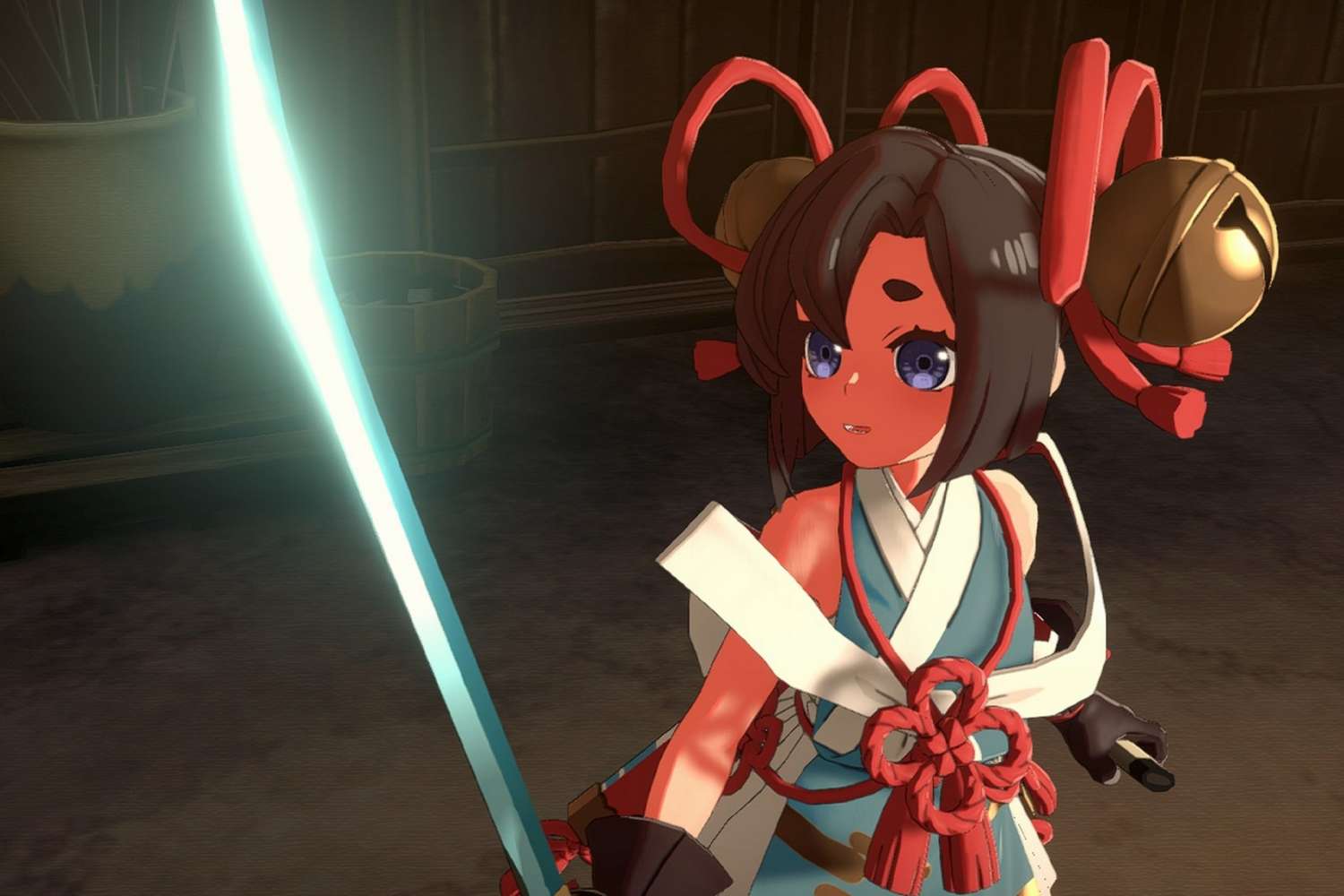
The combat system, a crucial pillar for any action RPG, is a mixed bag. It features a unique ‘Spirit Link’ mechanic, allowing Towa to temporarily merge with the spirits of fallen guardians, granting access to diverse elemental abilities and weapon types. When it works, combat can be fluid and satisfying, demanding strategic use of dodges, parries, and elemental weaknesses. The high-CPC keyword ‘immersive gameplay‘ feels within reach during intense boss encounters. However, frame rate drops in visually busy areas, particularly on standard consoles, and occasional unresponsive controls can shatter this immersion. The camera system, especially in tight indoor environments, often struggles to keep up with the fast-paced action, leading to frustrating deaths and a feeling of fighting the game itself rather than its formidable foes. This persistent technical hiccup is a significant part of the ‘Hades’s shadow’ that dogs the game’s reputation, especially when compared to more polished ‘AAA game releases‘.
- Exploration: Expansive but often lacks meaningful engagement, with environmental puzzles feeling derivative.
- Combat: Innovative ‘Spirit Link’ mechanic shines in bursts but is hampered by technical inconsistencies and camera issues.
- Quest Design: Main quest is engaging, but side content often falls into generic fetch or kill missions, lacking the narrative depth found in competitors.
- Character Progression: Deep skill trees and gear customization offer substantial player agency, a strong point for ‘RPG enthusiasts‘.
 Narrative Ambition and Its Haunting Echoes
The narrative of Towa and the Guardians of the Sacred Tree is arguably its strongest suit, conceptually. It delves into themes of sacrifice, environmentalism, and the cyclical nature of good and evil, drawing inspiration from various world mythologies. The story of the Sacred Tree’s decline and the encroaching corruption, often referred to as the ‘Shadow Blight’, is compelling, driven by a memorable cast of characters, even if some archetypes feel overly familiar. The voice acting is generally excellent, bringing a gravitas to the world’s plight that helps to anchor the player’s emotional investment.
However, the narrative, much like the gameplay, suffers from pacing issues. Critical plot points sometimes feel rushed, while less significant arcs are drawn out. The game attempts to explore complex moral dilemmas, but occasionally glosses over their implications in favor of pushing the plot forward. The ‘Hades’s shadow’ here manifests as an inability to fully commit to its own philosophical underpinnings. The game touches upon profound ideas regarding ecological decay and societal collapse, yet pulls its punches at crucial moments, preventing it from reaching the same ‘narrative depth‘ as benchmark titles in the genre. For a game that positions itself as a ‘fantasy epic‘ with profound themes, this occasional lack of follow-through is a considerable disappointment for those seeking deeply resonant storytelling.
Technical Prowess and Persistent Glitches: A Double-Edged Sword
Visually, Towa and the Guardians of the Sacred Tree is undeniably striking. The art direction is exceptional, creating a world that feels both ancient and alive. The character models are detailed, and the environmental design is often breathtaking, making great use of light and shadow to evoke mood. On next-generation consoles and high-end PCs, the game can be a true spectacle, showcasing ‘cutting-edge graphics‘ and intricate particle effects, particularly during spells and abilities.
Yet, this graphical fidelity comes at a cost, particularly for the aforementioned performance issues. Texture pop-in, occasional asset loading delays, and outright crashes, while less frequent now than at launch, have historically plagued the experience. These technical deficiencies, often highlighted in ‘game performance reviews‘, contribute heavily to the ‘Hades’s shadow’. While post-launch patches have addressed many of the most egregious bugs, the initial impression and the lingering perception of a technically unstable product have proven difficult to shake. This struggle for technical stability directly impacts the ‘player engagement‘ and long-term enjoyment, making it harder for the game to compete in the crowded ‘gaming industry‘ landscape.
The Shadow of Criticism: Unfulfilled Potential
The central enigma of Towa and the Guardians of the Sacred Tree is its enduring struggle to transcend its flaws. It’s a game bursting with innovative ideas and breathtaking artistic vision, yet consistently undermined by its own execution. The ‘Hades’s shadow’ represents not just specific technical problems or design missteps, but the cumulative effect of these issues preventing the game from achieving its full, magnificent potential. It’s the critical consensus that, despite patches and developer commitment, the foundational experience remains a few steps short of greatness. It’s a game that garners praise for its ambition but receives equally strong critiques for its inability to consistently deliver a polished, cohesive experience.
For ‘gaming enthusiasts‘ seeking a truly next-gen experience without compromises, the recurring issues can be deal-breakers. The game often feels like an ‘indie gem‘ with AAA aspirations that stretched its resources too thin, resulting in a product that oscillates wildly between moments of brilliance and episodes of frustration. Its ‘development challenges‘ are apparent, and while empathy exists for the creators, the final product must stand on its own merits.
 Conclusion: A Fading Light Under a Persistent Shadow
Towa and the Guardians of the Sacred Tree remains a fascinating, if flawed, endeavor. Its commitment to a unique mythology and a powerful ecological narrative is commendable. When the combat flows, and the world sings, it offers glimpses of the masterpiece it aspired to be. However, the persistent ‘Hades’s shadow’ – manifesting as inconsistent performance, repetitive open-world design, and narrative pacing issues – ultimately prevents it from claiming its rightful place among the top-tier action RPGs. It’s a game that demands patience and a willingness to overlook its blemishes to appreciate its profound artistic merits. For those who can look past its significant flaws, there’s a captivating adventure to be had. For others, the shadow cast by its unfulfilled potential will always loom too large, making it a compelling but ultimately bittersweet entry in the ‘modern gaming‘ pantheon. It serves as a stark reminder that even the grandest visions require meticulous execution to truly shine, highlighting the ongoing discourse in ‘game reviews‘ about ambition versus polish.