
Highway Hero: Truck Tycoon Shifts into Soft Launch – Charting the Course for Mobile Management Simulation










Popular Now
 BeamNG.drive
 Gacha Club
 Sonic the Hedgehog™ Classic
 Grand Theft Auto VI
 Warframe
 Call of Duty
 The Legend of Zelda
 Candy Crush Saga
 Minecraft
 Black Myth: Wukong
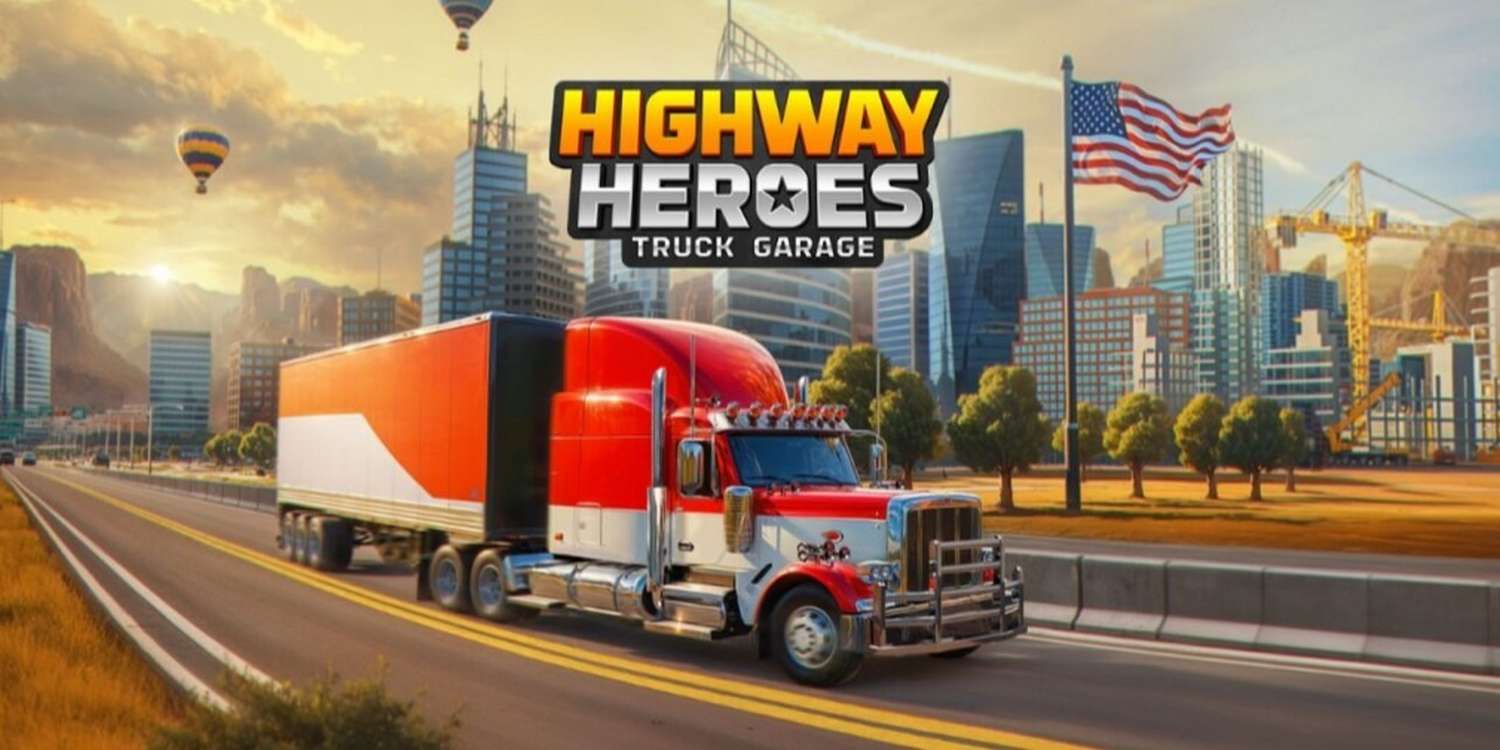 The mobile gaming landscape is constantly evolving, with simulation and strategy genres consistently captivating a dedicated audience. In a significant move for the industry, Highway Hero: Truck Tycoon, a highly anticipated title from a reputable, albeit undisclosed, development studio, has officially entered its soft launch phase in select regional markets. This transition marks a crucial milestone for the game, as developers gauge player engagement, refine core mechanics, and, critically, test the monetization model before a global rollout.
The core proposition of Highway Hero: Truck Tycoon is straightforward yet deeply engaging: players assume the role of an ambitious logistics entrepreneur, tasked with building and managing a sprawling trucking empire. Unlike traditional driving simulators, this game focuses squarely on the strategic and economic layers, demanding shrewd decision-making in fleet acquisition, driver management, and route optimization.
📊 Core Game Mechanics and Strategic Depth
A successful simulation game hinges on the complexity and believability of its mechanics. Highway Hero delivers on this front, offering a multi-faceted management experience that caters to both casual players and hard-core strategy enthusiasts.
Initial Investment and Fleet Acquisition:
- Players begin with a modest capital injection, requiring careful allocation for purchasing initial trucks. The game features a diverse catalog of licensed and conceptual truck models, each with distinct specifications for fuel efficiency, cargo capacity, and maintenance cost.
- Acquiring high-tier vehicles and specialized transport options (e.g., refrigerated, oversized) represents a high cost-per-acquisition (CPA) in the game’s internal economy, forcing players to prioritize profit generation before major expansion.
Route Optimization and Dynamic Demand:
- The game utilizes a dynamic map system with fluctuating economic variables. High-value contracts often appear in distant or challenging-to-reach locations, testing a player’s ability to balance risk versus reward.
- Effective route planning software—simulated within the game—is essential. Factors such as road conditions, tolls, and regional fuel prices must be considered to maximize the profit margin on each delivery.
- This strategic layer is a primary driver of long-term engagement, distinguishing it from simpler idle tycoon games.
Driver and Human Resources Management:
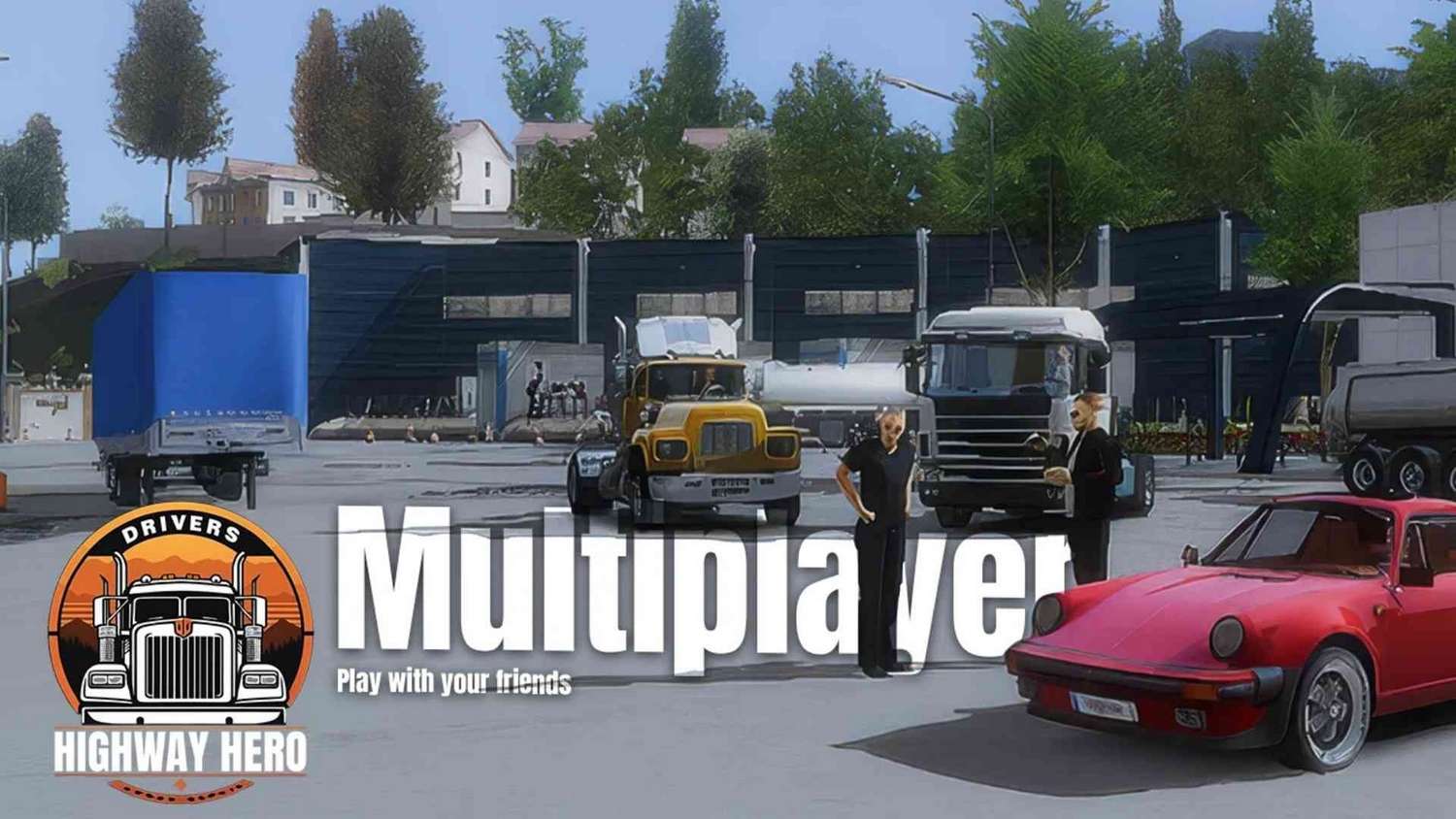 Trucks are only as good as their drivers. This title introduces a robust HR system:
- Drivers have individual stats, including endurance, skill rating, and loyalty. Higher-skilled drivers command a premium in salaries and wages, but also minimize the risk of accidents and late deliveries.
- Employee retention strategies are key. Players must manage driver rest periods, provide training (a potential in-app purchase incentive), and upgrade driver facilities to maintain morale and efficiency.
📈 Soft Launch Insights: Monetization and Player Experience
The soft launch phase is critical for testing the game’s viability, particularly its monetization model. This is where developers fine-tune the balance between free-to-play enjoyment and incentivizing premium purchases to achieve a healthy average revenue per user (ARPU).
The Premium Currency Loop:
- The primary premium currency, “Gold Ingots,” is currently used to instantly complete time-gated actions (e.g., truck repairs, driver training) and acquire exclusive cosmetic items or blueprints for rare truck upgrades.
- Early player feedback suggests the grind-to-paywall ratio is currently acceptable, meaning free-to-play progression is challenging but rewarding, avoiding a heavy-handed, aggressive monetization approach often seen in less-polished F2P mobile games.
Live Services and Content Updates:
- The soft launch version already features a robust framework for live events, hinting at future content drops focused on seasonal challenges, new geographical regions, and limited-time, high-payout contracts.
- A successful live service game must continually introduce fresh content, and the foundation laid by Highway Hero suggests a long-term commitment to player retention.
🎯 Technical Performance and Industry Competitiveness
For a mobile management simulation, technical stability is paramount. Crashes and performance dips can severely impact the strategic flow of a game.
Platform Optimization:
- Initial reports indicate strong performance on mid-to-high-tier devices for both Android and iOS platforms. The user interface (UI) is intuitive, designed for efficient management on a smaller screen, which is a major win for the mobile user experience (UX).
- The graphical fidelity is realistic, focusing on detailed truck models and varied environmental backdrops, making the successful completion of a long-haul route visually satisfying.
Competitive Landscape:
The trucking simulation market is competitive, with established PC titles and several popular mobile counterparts. Highway Hero: Truck Tycoon aims to carve out its niche by emphasizing the tycoon element over the driving element, targeting players who enjoy titles like Game Dev Tycoon or Transport Fever rather than Euro Truck Simulator.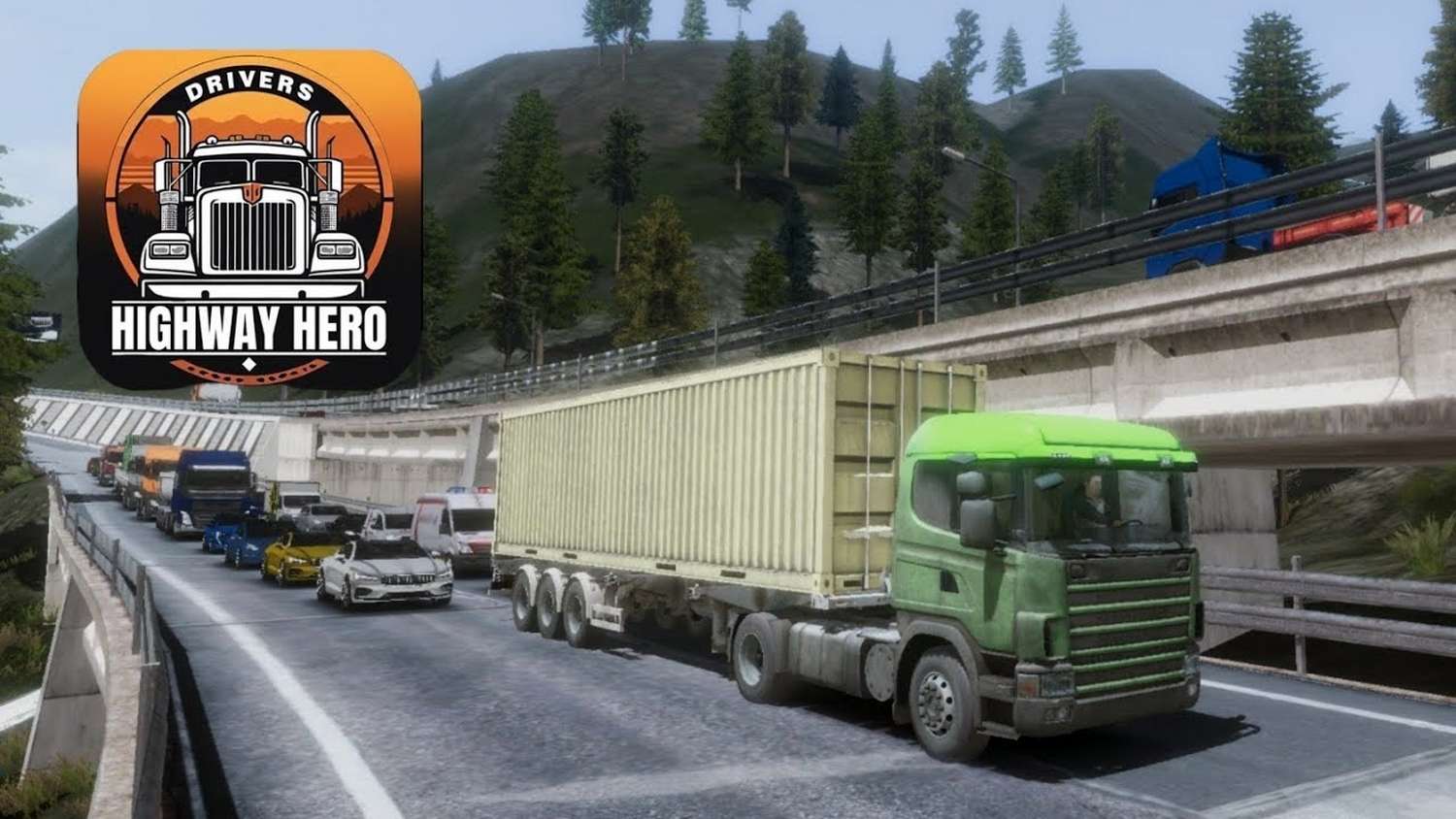
- The game’s focus on complex economic simulation, rather than simply driving physics, provides a distinct competitive advantage in the mobile space.
- The potential for cross-platform progression or a companion web application is a highly discussed feature among the early community, though no official announcement has been made.
🔮 Final Assessment of the Soft Launch Phase
Based on the current state of the soft launch, Highway Hero: Truck Tycoon is positioning itself as a leader in the next generation of mobile management simulation games. The game successfully blends complex economic strategy with accessible mobile design, creating a title with strong potential for global success.
The strategic depth offered by the fleet management and dynamic contract system ensures that the gameplay loop remains fresh and challenging. While the long-term success will ultimately be determined by the final balance of the in-app purchase (IAP) system and the quality of post-launch content, early signs are overwhelmingly positive.
For players seeking a serious, deep, and rewarding tycoon game experience on their mobile devices, keeping a close eye on the global release of Highway Hero: Truck Tycoon is highly recommended. The current customer lifetime value (CLV) metrics observed in the soft launch markets suggest a highly engaged user base willing to invest time and resources into mastering the logistics empire.