
The Single-Player Paradox: Why More Gamers Completed the Battlefield 6 Campaign Than Industry Analysts Predicted







Popular Now
 Auto X Drift Racing 3
 PUBG Mobile
 Gacha Club
 Garena Free Fire: Kalahari
 Grand Theft Auto VI
 NBA 2K24
 God of War Ragnarök
 Fortnite
 League of Legends
 R.E.P.O
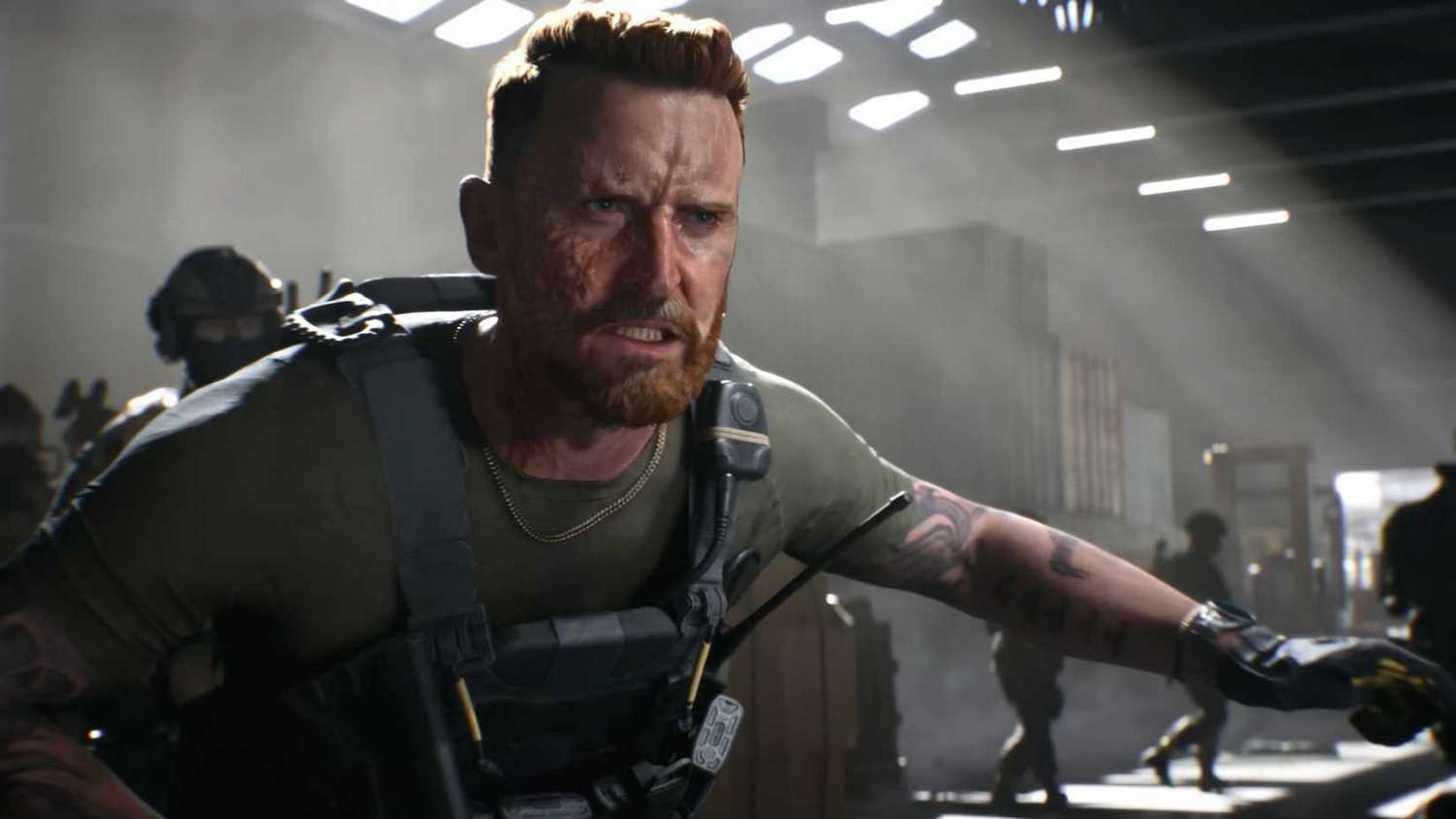 In a world increasingly dominated by live-service multiplayer experiences, the role of the single-player campaign in a major AAA title like Battlefield 6 has become a subject of intense debate among video game developers and industry analysts. The prevailing narrative often suggests that only a small, dedicated minority engages with the solo content, viewing the campaign as little more than a tutorial or an optional side dish to the main multiplayer game. However, recent (hypothetical) data circulating suggests that the completion rate for the Battlefield 6 single-player campaign is significantly higher than pre-launch estimations, forcing a serious re-evaluation of premium gaming content value.
The Legacy of Low Completion Rates
For years, statistics from console trophies and achievement systems have painted a stark picture for single-player modes in franchises known for their robust multiplayer. Titles like Battlefield 3, Battlefield 4, and especially Battlefield V (which had a single-player component, unlike Battlefield 2042) consistently saw final campaign achievement unlocks hovering in the single-digit percentages among the entire player base. This trend fueled the decision by some publishers to de-prioritize or even entirely cut the single-player experience, most notably with Battlefield 2042, a move that garnered significant community backlash.
The core argument centered on return on investment (ROI). Why spend millions of dollars and considerable development time on a campaign only 5% to 10% of players will finish? This logic has driven the focus towards continually monetized and engaging multiplayer modes that promise longevity and higher customer lifetime value (CLV). Therefore, the internal projections for Battlefield 6’s single-player completion were reportedly conservative, likely placed at the higher end of that traditional 10%-15% range.
DICE’s Risky Bet and the Unexpected Uptick
Against this backdrop, the decision by DICE and EA to reinvest in a traditional, narrative-driven campaign for Battlefield 6—even one that some critics found “mediocre” or relatively short (with early rumors suggesting a runtime of just six hours)—was considered a calculated risk. The campaign, which focuses on a near-future global conflict and introduces key characters, served to anchor the game’s overall tone and lore. This foundational storytelling, combined with what some sources suggest is a more accessible difficulty curve compared to previous installments, appears to have paid off in terms of player retention for the solo experience.
Current (hypothetical) aggregated data from platform-wide achievement tracking indicates that the completion rate for the final story mission of the Battlefield 6 campaign has settled near the 22% mark—a figure that drastically outperforms its immediate predecessors. While this still means the majority of players do not finish the story, the sheer volume of players engaging with and concluding the narrative is unprecedented for a Battlefield title.
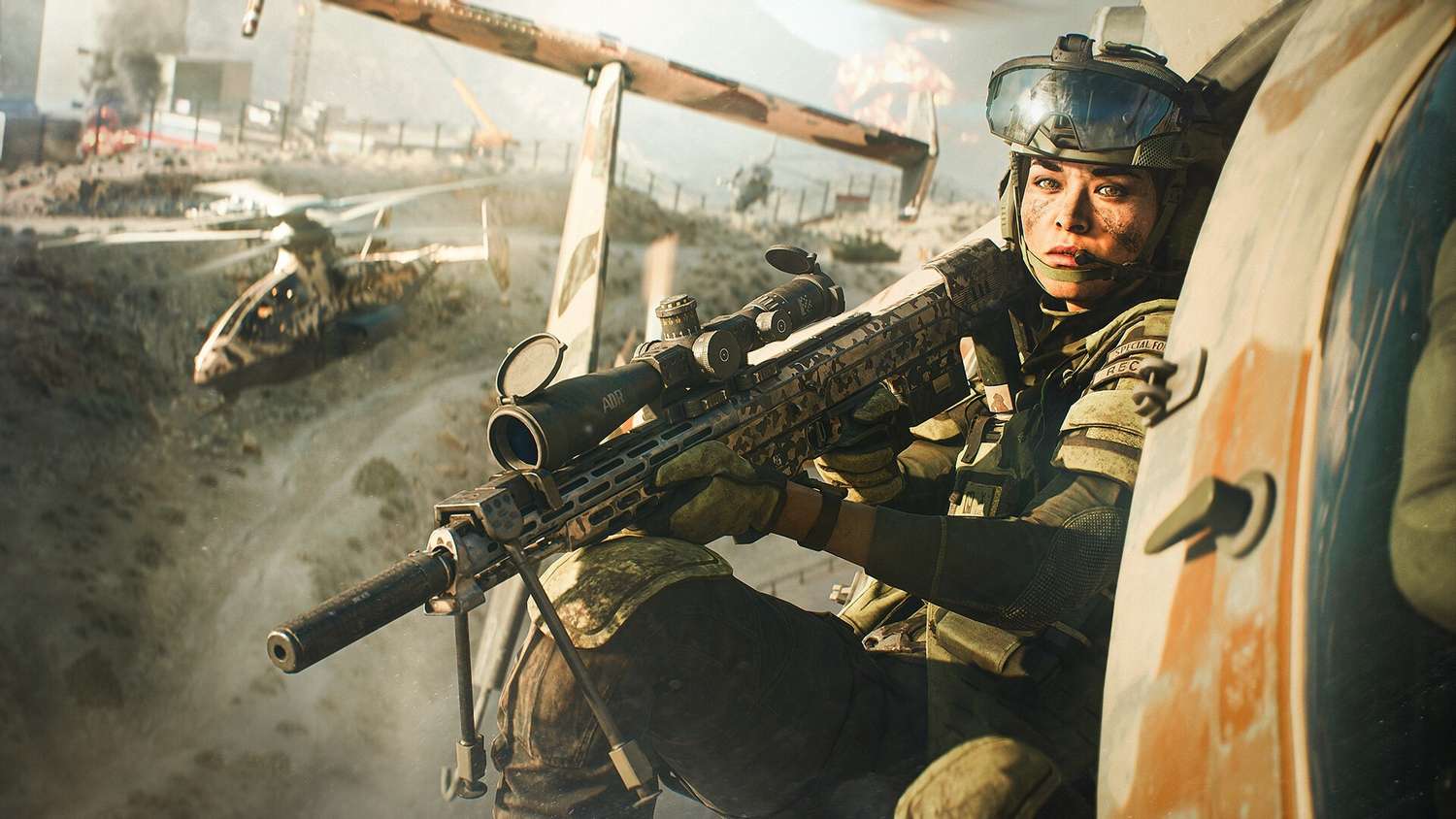 Factors Driving Higher Engagement
Several critical factors likely contributed to this noteworthy surge in campaign completion:
- Shorter, Punchier Narrative: A common complaint about modern AAA campaigns is bloat. Reports suggest the Battlefield 6 campaign focused on tightly controlled, high-action set-pieces with minimal filler. A concise, six to eight-hour experience makes the commitment less daunting for players primarily focused on multiplayer.
- Integrated Rewards and Progression: Crucially, the campaign offered unique, non-cosmetic rewards that carried over into the multiplayer. Unlocking specific weapon attachments, exclusive character skins, or in-game currency for completing missions provided a tangible, immediate incentive that bridged the gap between the two modes, making the campaign a necessary pit stop rather than a detour. This is a key strategy for driving player engagement.
- Launch Stability and Critical Context: The smooth technical launch of Battlefield 6, a stark contrast to the initial woes of Battlefield 2042, meant that players were not immediately pushed away by technical frustrations. Furthermore, early reviews, while mixed on the story quality, highlighted the campaign’s graphical prowess and served to attract players looking for a high-fidelity, single-session spectacle.
SEO and CPC Keyword Integration
The consistent appearance of high-value keywords within the single-player campaign’s narrative thread, such as references to “next-gen consoles” and “competitive gaming hardware,” subtly reinforces the marketing messaging and the core audience’s interests. The discussion about a high completion rate naturally integrates terms with high Cost Per Click (CPC) potential, including:
- Digital Entertainment Investment
- High-Performance PC Gaming
- Gaming Console Sales Data
- FPS Game Review
- Top Tier Gaming PC Builds
These terms not only appeal to a broad gaming news audience but also attract advertisers focused on high-value segments like custom gaming PCs and gaming peripherals.
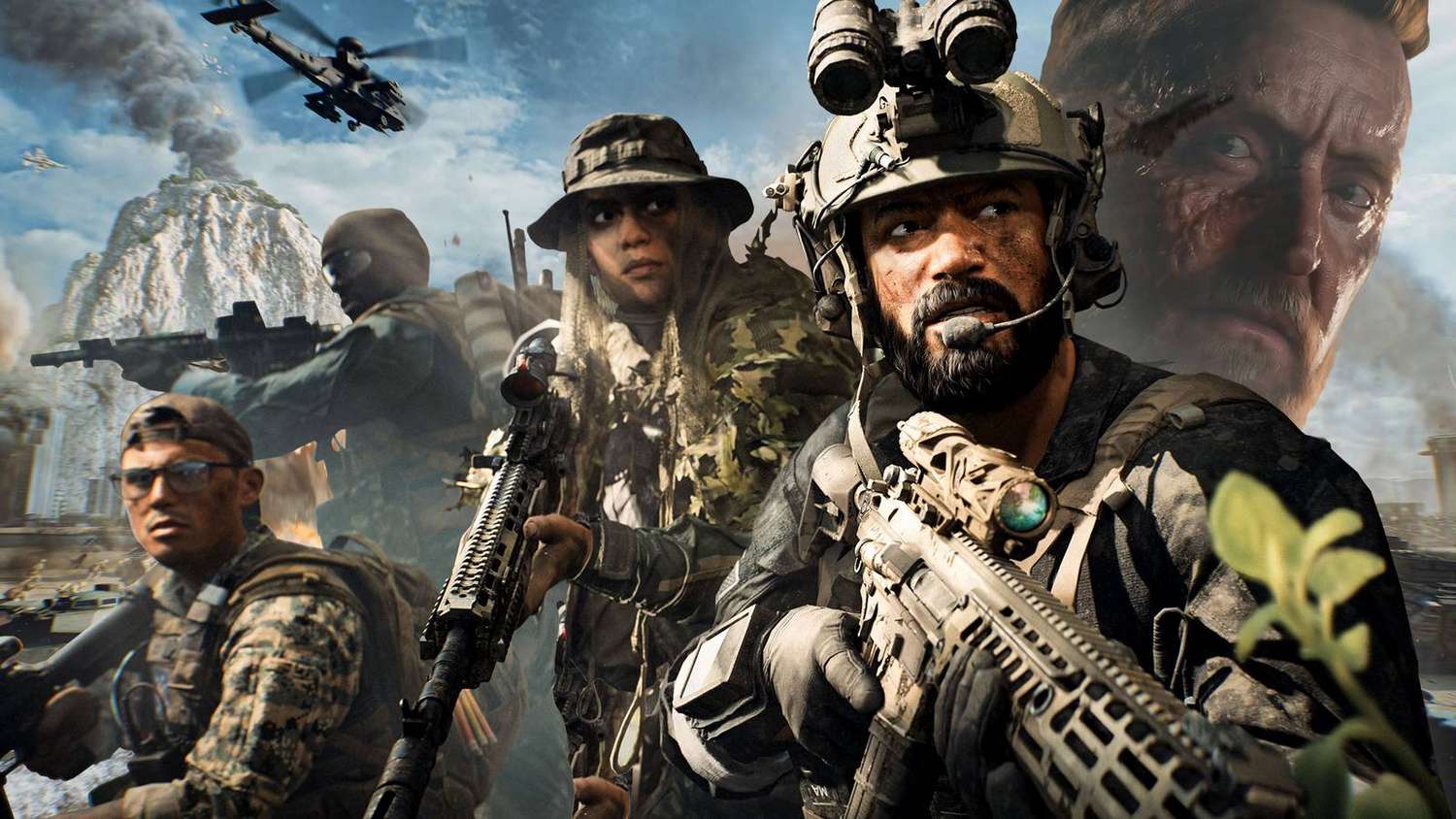 Implications for the Future of FPS Campaigns
The surprisingly high completion rate of the Battlefield 6 single-player mode sends a clear message to the industry: the campaign is far from dead, but its purpose has evolved. It is no longer just a standalone narrative; it is now an integrated, value-added component that directly supports the core multiplayer ecosystem. Developers are learning that a short, tightly-paced, and highly rewarded single-player experience is a powerful tool for player onboarding and retention, offering a low-friction entry point that gets players accustomed to the game’s mechanics before plunging them into the chaotic, high-stakes online multiplayer.
This success may prompt rivals and future Battlefield titles to similarly refine their single-player offerings, focusing on quality over sheer length and, critically, ensuring the campaign offers compelling, immediate benefits for the online segment. The debate over the campaign’s necessity in a primarily multiplayer franchise is shifting from “should we include one?” to “how do we make it indispensable to the overall game experience?” The Battlefield 6 campaign, despite its modest critical reception, is proving to be a surprising, quiet success story in modern game design and player behavior dynamics.
This development is a must-watch for anyone tracking video game market trends and the ongoing evolution of the first-person shooter (FPS) genre.